Sciatica is nerve pain that travels from the lower back or buttock into the leg. A Dallas pain management visit should start with a nerve exam, not a fast promise about shots. The exam checks strength, reflexes, sensation, pain pattern, and red flags before treatment starts.
If your pain runs below the knee, burns into the calf, or reaches the top or bottom of the foot, we think about a lumbar nerve root first. The common suspects are L4, L5, and S1. That matters because a knee X-ray can look fine while a disc at L4-L5 is still pressing a nerve.
For Dr. Rao K. Ali, the goal is simple: find the pain source, treat the nerve irritation when that is the driver, and refer fast when the signs point to a surgical problem. Most people don't need surgery on day one. Some do. The exam tells us which group you are closer to.
Sciatica is pain from irritation or compression of nerves that help form the sciatic nerve. Doctors often call it lumbar radiculopathy. It can cause sharp pain, burning, numbness, tingling, or weakness from the low back into the buttock, thigh, calf, foot, or toes.
Sciatica isn't a final diagnosis by itself. It is a symptom pattern. A herniated disc, spinal stenosis, foraminal narrowing, spondylolisthesis, arthritis, or less common causes can sit behind it. That is why two people can both say "sciatica" and need different care.
A straight path down the back of the leg is common, but the pattern is not always neat. L4 can bother the front of the thigh or knee area. L5 can run toward the outer leg, top of the foot, and big toe. S1 can run into the calf, heel, or outside of the foot.
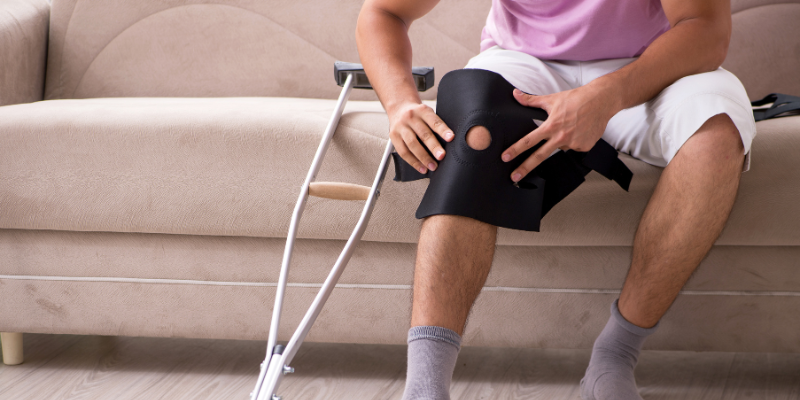
Yes, sciatica can cause knee pain or foot pain when the irritated nerve root sends pain into that area. Knee pain from sciatica often travels with back, buttock, thigh, or calf pain. Foot pain from sciatica often comes with numbness, tingling, burning, or weakness.
A sciatica visit shouldn't stop at "you have nerve pain." It should ask why the nerve is angry. These are the usual causes we check:
Herniated lumbar disc, often at L4-L5 or L5-S1.
Spinal stenosis, where the canal or side openings get too tight.
Foraminal narrowing, where the nerve exits the spine.
Degenerative disc disease with inflammation near a nerve root.
Spondylolisthesis, where one vertebra slips forward.
Piriformis syndrome, which can mimic nerve pain outside the spine.
Hip disease, knee disease, diabetic neuropathy, or vascular leg pain that can look like sciatica.
This is also where the limits matter. An injection can calm inflammation around a nerve root, but it doesn't rebuild a collapsed disc or fix a large unstable slip. A medicine can reduce burning pain for some people, but it doesn't remove pressure from a compressed nerve.
A sciatica diagnosis starts with a history and nerve exam. The visit checks pain location, strength, reflexes, sensation, walking pattern, and straight-leg-raise response. MRI or EMG can be used when the result will change treatment, such as injection planning or surgical referral. The first visit should include questions that sound basic but decide the path:
Herniated lumbar disc, often at L4-L5 or L5-S1.
Spinal stenosis, where the canal or side openings get too tight.
Foraminal narrowing, where the nerve exits the spine.
Degenerative disc disease with inflammation near a nerve root.
Spondylolisthesis, where one vertebra slips forward.
Piriformis syndrome, which can mimic nerve pain outside the spine.
Hip disease, knee disease, diabetic neuropathy, or vascular leg pain that can look like sciatica.
NICE advises imaging in specialist settings only when the result is likely to change care. The American College of Radiology also supports imaging for persistent or progressive symptoms after about 6 weeks of medical care and physical therapy when the person is a surgery or intervention candidate.
That doesn't mean MRI is useless. It means timing matters. A scan ordered too early can find old disc changes that are not causing the current pain. A scan ordered too late can delay care when weakness is getting worse.
Treatment should match the cause, symptom length, and nerve-risk level. We usually think in steps, not a menu.
Bed rest usually makes people stiffer and weaker. Most patients do better with short periods of rest, walking as tolerated, and physical therapy that matches the pain pattern. For disc-related sciatica, the plan may include directional exercises, nerve glides, hip work, and gradual return to normal activity.
Therapy isn't a punishment before an injection. It is part of the treatment. If a shot gives 4 to 8 weeks of relief, that window is useful only if the patient can move better during it.
Medication depends on the exam, medical history, and other prescriptions. Some patients use acetaminophen or an NSAID such as ibuprofen or naproxen when safe. For nerve-type symptoms, a clinician may discuss gabapentin, pregabalin, duloxetine, or a lidocaine 5% patch. These are not the same drugs, and they don't fit every patient.
If opioids are part of your current care, talk to your prescriber. Don't adjust opioid doses on your own. The CDC 2022 guideline covers acute, subacute, and chronic pain and asks clinicians to weigh pain relief, function, and risk while using non-opioid care when it fits the condition.
A lumbar epidural steroid injection places steroid and local anesthetic near irritated nerve tissue. For sciatica, the common routes are transforaminal, interlaminar, or caudal, depending on the anatomy and target. A transforaminal epidural steroid injection aims near a specific nerve root, such as L5 or S1.
NICE says clinicians can consider epidural local anesthetic and steroid for acute and severe sciatica. A Cochrane review found epidural corticosteroid injections probably give a small short-term reduction in leg pain and disability for lumbosacral radicular pain. That is useful, but it isn't magic. Some patients get weeks of relief. Some get a few months. Some get no real change.
ASIPP also expects response to be tracked with pain and function, with effectiveness tied to at least 50% relief for 3 months in its epidural injection algorithm. That number keeps the follow-up honest. If the first shot gives one day of relief, repeating the same plan without a reason is weak medicine.
A selective nerve root block can help when the MRI shows more than one possible pain source. It isn't a cure. It is a test and treatment in the same visit. The result can help decide whether the L4, L5, or S1 nerve is the main pain driver.
Pain management isn't anti-surgery. It's anti-wrong-surgery. A referral to a spine surgeon makes sense when there is progressive weakness, foot drop, severe nerve compression that matches the exam, bowel or bladder symptoms, or pain that does not respond after a fair trial of non-surgical care.
A fair plan tells you what each step can and cannot do.
Physical therapy can reduce pain and improve movement, but it takes work and usually needs several weeks.
NSAIDs or acetaminophen can reduce pain for some patients, but they do not treat nerve compression.
Gabapentin, pregabalin, or duloxetine can reduce nerve-type symptoms in selected patients, but side effects can stop use.
Epidural steroid injection can reduce severe leg pain for a short window in some patients, but it doesn't repair the disc.
Surgery can remove pressure from a nerve when the anatomy fits, but it carries its own risks and isn't the first answer for every patient.
This is the part many pages don't spell out. Sciatica treatment is not one clean ladder for everyone. A 34-year-old with 2 weeks of L5 pain after lifting a box is not the same as a 71-year-old with spinal stenosis, diabetes, numb feet, and 9 months of walking trouble.
Go to the emergency room for sciatica with bowel or bladder loss, new urinary retention, numbness in the saddle area, new foot drop, fast worsening weakness, fever with back pain, or severe pain after trauma. These signs can point to nerve damage or another serious cause.
NICE lists bowel or bladder dysfunction, progressive neurological weakness, saddle anesthesia, pain moving into both legs, incapacitating pain, night pain, steroid use, and intravenous drug use as red flags in people with sciatica. Don't wait for a routine office visit if these symptoms are present.
A pain management doctor can be the right first stop when leg pain is severe, the diagnosis is unclear, or conservative care has not been enough. The job isn't just to give injections. It is to decide whether the pain is nerve-root pain, joint pain, hip pain, knee pain, neuropathy, or a mix.
For Dallas patients searching "sciatica doctor near me," location matters less than the visit quality. You need a clinician who checks strength, maps the pain, reviews imaging only when it changes the plan, and knows when to send you to a spine surgeon.
If leg, knee, calf, or foot pain is changing how you walk, sit, sleep, or work, schedule a sciatica evaluation with Dr. Rao K. Ali. Bring prior MRI reports, medication lists, injection records, therapy notes, and any surgery records if you've got them.
Call 469-562-4188 or request an online appointment.
Call the Sciatica Treatment office near you today to schedule a diagnostic evaluation for Sciatica Treatment, or book an appointment online.