
Contatc Us

Email Supports

Online Appointment

Supports
Mon - Fri 9:00 AM - 05:00 PM

Mon - Fri 9:00 AM - 05:00 PM
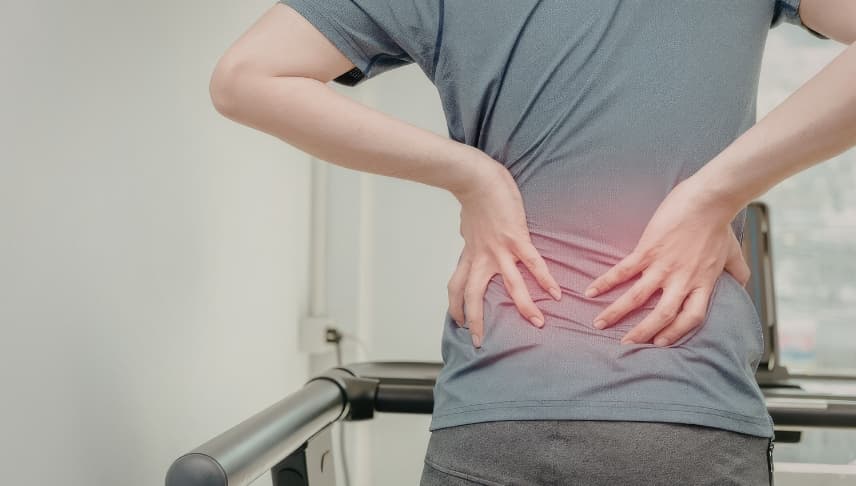
Lower back pain when standing is more common than most people realize. Around 84% of adults experience back pain at some point, making it one of the leading global health concerns. It is also the second most common reason for doctor visits after respiratory infections and a major cause of reduced productivity worldwide. The good news is that nearly 97% of lower back pain cases are mechanical, often linked to muscle strain, nerve irritation, or disc problems. However, about 20% of people may experience persistent pain lasting more than six weeks. In such cases, timely evaluation and proper care can help prevent long-term pain and restore daily function. Standing for long periods places continuous pressure on your lower spine, muscles, and joints. Poor posture, weak core strength, or underlying spinal issues can worsen pain over time. Understanding the root cause helps in choosing the best treatment and preventing further strain on your back. Muscle strain is one of the most frequent causes of lower back pain when standing. Overuse, sudden movements, or prolonged standing can fatigue the muscles supporting your spine. This leads to stiffness, soreness, and pain that worsens the longer you stay on your feet without proper support or rest. Standing with improper posture, such as slouching or leaning forward, puts uneven pressure on your spine. Over time, this imbalance strains muscles and ligaments in the lower back. Poor posture also reduces spinal alignment, increasing the likelihood of chronic pain and limiting your ability to stand comfortably for long durations. A herniated disc occurs when the soft cushion between spinal bones slips out of place. This can press on nearby nerves, causing pain that intensifies when standing. The pain may radiate to the hips or legs, making it difficult to maintain an upright position without experiencing sharp or burning sensations. As you age, spinal discs naturally lose hydration and flexibility. This condition, known as degenerative disc disease, reduces shock absorption in the spine. Standing increases pressure on these weakened discs, leading to persistent lower back pain and stiffness that gradually worsens over time. Spinal stenosis involves narrowing of the spinal canal, which puts pressure on nerves. Standing for extended periods can intensify this pressure, leading to pain, numbness, or weakness. Many people feel relief when sitting or bending slightly forward, as it reduces stress on the affected nerves. Sciatica occurs when the sciatic nerve becomes irritated or compressed. This condition often causes pain that starts in the lower back and travels down the leg. Standing can aggravate the symptoms, particularly if nerve compression increases, resulting in sharp, shooting pain or tingling sensations. Your core muscles play a vital role in supporting your spine. Weak abdominal and back muscles fail to provide proper stability, forcing your lower back to handle extra pressure. This imbalance leads to fatigue and pain, particularly when standing for long periods without proper support. The sacroiliac joints connect your spine to your pelvis. Dysfunction in these joints can cause pain in the lower back and hips. Standing can worsen this pain as the joints bear body weight, leading to stiffness and difficulty maintaining a stable posture. Learn more about back pain warning signs: https://paindoctorindallas.com/blog/back-pain-in-dallas-warning-signs-guide Lower back pain when standing can often be managed with simple daily adjustments and better body awareness. Small changes in posture, movement, and routine can reduce pressure on your spine and improve comfort. Consistency with these habits plays a key role in long-term relief and prevention. Maintain proper posture by keeping your spine straight and shoulders relaxed. Avoid standing in one position for too long without taking breaks. Wear supportive footwear to reduce pressure on your lower back. Use an anti-fatigue mat if you stand for extended periods. Engage your core muscles gently when standing for better support. Perform light stretching exercises to reduce stiffness and tension. Apply heat therapy to relax tight muscles and improve circulation. Stay active with low-impact activities like walking or swimming. When lower back pain continues even with home care, medical treatment can help target the root cause and provide lasting relief. The right approach depends on the severity, duration, and underlying condition. Most patients benefit from non-surgical treatments, while advanced options are available for persistent or severe cases. Physical therapy focuses on strengthening the muscles that support your spine and improving flexibility. A customized exercise plan helps correct posture, reduce strain, and restore mobility. Over time, it can significantly decrease pain and prevent future flare-ups. Doctors may recommend anti-inflammatory drugs or muscle relaxants to manage pain and swelling. These medications help control pain and make it easier to stay active during recovery. Proper use under medical guidance helps provide safe and effective results. Chiropractic adjustments help realign the spine and reduce pressure on affected areas. This hands-on approach can improve mobility and relieve tension in the lower back. Many patients experience noticeable relief after a few sessions. Spinal injections deliver medication directly to the source of pain, reducing inflammation around nerves and joints. These treatments are often used for conditions like nerve compression or disc issues. They provide targeted relief and can improve daily function. Nerve block procedures temporarily stop pain signals from reaching the brain. This treatment is useful for identifying and managing specific pain sources. It can offer significant relief for patients dealing with chronic or nerve-related pain. Radiofrequency ablation uses heat to disable pain-causing nerves in the affected area. This minimally invasive procedure provides longer-lasting relief compared to temporary treatments. It is often recommended for chronic lower back pain that does not respond to other therapies. These procedures treat structural issues like herniated discs with smaller incisions and quicker recovery times. They aim to relieve pressure on nerves and restore normal function. Patients benefit from less downtime compared to traditional surgery. Surgery is usually considered only when other treatments fail or when there is severe nerve compression. Procedures may include disc repair or spinal stabilization. With proper evaluation, surgery can effectively reduce pain and improve quality of life in select cases. Lower back pain when standing can interfere with daily activities and reduce overall comfort if left untreated. At Pain Doctor in Dallas, patients receive focused evaluation and personalized care designed to treat the root cause of pain. The goal is to improve movement, reduce pain, and help patients regain control over their routine without unnecessary delays. With advanced, non-surgical treatments and a patient-centered approach, Dr. Rao K. Ali provides solutions that target long-term relief. From accurate diagnosis to customized treatment plans, each step is designed to restore function and improve quality of life, helping patients return to standing, working, and living with greater ease and confidence.Common Causes of Lower Back Pain When Standing
1. Muscle Strain
2. Poor Posture
3. Herniated Disc
4. Degenerative Disc Disease
5. Spinal Stenosis
6. Sciatica
7. Weak Core Muscles
8. Sacroiliac Joint Dysfunction
Tips to Get Relief at Home for Lower Back Pain When Standing
What Medical Treatment Options Are There for Lower Back Pain?
Physical Therapy
Medications
Chiropractic Care
Spinal Injections
Nerve Blocks
Radiofrequency Ablation
Minimally Invasive Spine Procedures
Surgical Treatment
Looking for Treatment for Lower Back Pain?