



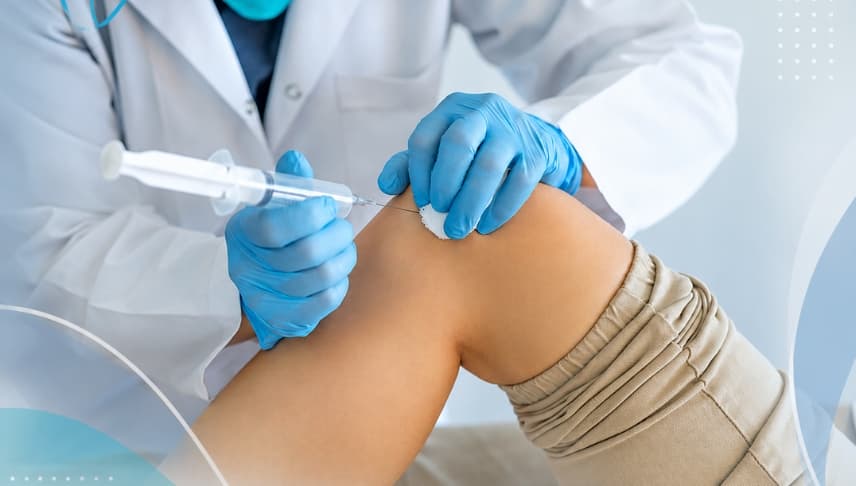
Cortisone injections are a common treatment for pain and inflammation. Also known as cortisone shots, they are often used for joints but may help other painful areas too. Because surgery is not required, this option is a less-invasive pain management treatment for patients looking for effective relief. When pain or inflammation affects daily life, cortisone injections may be a helpful treatment option. At Pain Doctor in Dallas, Dr. Rao K. Ali focuses on finding the cause of pain and creating personalized care plans. Dr. Rao K. Ali can treat conditions like carpal tunnel syndrome, knee pain, rheumatoid arthritis, Achilles tendinitis, and more. The body releases cortisone from the adrenal gland when it is under stress. Cortisone is a powerful anti-inflammatory that helps reduce swelling and inflammation in the body. A cortisone injection is a pain relief treatment given through a syringe. Also known as a “corticosteroid injection” or “steroid shot,” it is a synthetic version of a hormone called cortisol. As a less-invasive option than surgery, cortisone shots help reduce inflammation. Although they are not actual pain relievers, these treatments may provide fast relief from acute or chronic pain. Painful injuries that do not require surgery may be suitable for cortisone injections, and the shot may provide relief for several weeks. Cortisone injections may be used to treat different painful conditions caused by inflammation. They are often recommended when pain, swelling, or stiffness affects movement and daily activities. Your doctor can decide if this treatment is suitable based on your symptoms and condition. Shoulder pain Arthritis Rheumatoid arthritis Carpal tunnel syndrome Achilles tendinitis Bursitis Tendon inflammation Cortisone injections work by delivering anti-inflammatory medicine directly into the painful or swollen area. The medication helps calm irritation around joints, tendons, muscles, or soft tissues. By reducing inflammation, the injection may help ease pain, swelling, and stiffness, making movement more comfortable. The injection is usually placed near the affected area so the medicine can target the source of pain. Cortisone does not cure the underlying condition, but it may provide temporary relief and support better mobility. Results can vary from patient to patient, and relief may last for several weeks or longer depending on the condition. When you get a cortisone injection, your doctor first checks the painful area and cleans the skin before giving the shot. The injection is placed near the affected joint, tendon, or soft tissue to help target inflammation directly. You may feel slight pressure, a quick pinch, or mild pain during the injection. The process is usually quick and simple, and most patients can return home soon after the treatment. After a cortisone shot, some patients may feel relief within a few days, while others may need more time to notice improvement. Mild soreness or tenderness at the injection site can happen for a short time. Your doctor may suggest avoiding heavy activity for a day or two so the treated area can rest. As inflammation begins to reduce, pain, swelling, and stiffness may improve. Good candidates for steroid injections are people dealing with pain, swelling, or inflammation that has not improved with basic treatments like rest, medication, or physical therapy. These injections may be helpful for joint pain, arthritis, tendon inflammation, and similar conditions. A pain management specialist in Dallas can decide if this treatment is right after reviewing your symptoms, condition, and medical history. Steroid injections may be a suitable option for patients who want non-surgical pain relief. Joint injections can help reduce pain and inflammation in the affected area. They are often used when joint pain makes movement difficult or affects daily activities. This treatment may provide relief without the need for surgery. Helps reduce joint pain and swelling. May improve movement and flexibility. Supports better comfort during daily activities. Provides targeted treatment to the painful area. Can be a non-surgical pain relief option. May help reduce stiffness in the joint. Relief may last for several weeks. Cortisone injections are generally used to reduce pain and inflammation, but some patients may experience side effects. These effects are usually mild and temporary. Your doctor can explain the risks based on your condition and treatment area. Some patients may feel mild pain, soreness, or tenderness where the injection was given. This pain usually improves within a short time and can often be managed with rest. Swelling may occur around the treated area after the injection. This is usually temporary and may settle as the area begins to heal and respond to the medication. In some cases, the skin near the injection site may become lighter or thinner. These changes are not common, but they can happen depending on the injection area. Some patients may notice facial flushing or warmth after a cortisone shot. This side effect is usually temporary and often goes away on its own. Cortisone injections may temporarily raise blood sugar levels, particularly in people with diabetes. Patients with diabetes should discuss this with their doctor before treatment. Although rare, there is a small risk of infection at the injection site. Doctors take careful steps to clean the area and reduce this risk before giving the injection. Cortisone shots may be right for you if you have pain, swelling, or inflammation that is affecting your daily activities. They are often used for joint pain, arthritis, tendon irritation, and other conditions where inflammation is the main cause of pain. This treatment may be a good option for patients who want non-surgical pain relief. However, the right choice depends on your symptoms, medical history, and the affected area. A doctor can examine your condition and recommend if cortisone injections are suitable for you. Pain Doctor in Dallas is here to locate the source of your pain and design an effective treatment plan for your healing. Dr. Rao K. Ali is experienced and skilled in pain management techniques. We work side-by-side with you to find a diagnosis and craft a treatment plan. We offer many non-surgical treatment options. Our caring practitioners provide injections for those wondering where they can get a cortisone shot to relieve pain and inflammation. Call 469-562-4188 or complete our online intake form to schedule an appointment. A cortisone shot may start working within a few days. Some patients may feel relief sooner, while others may notice improvement gradually. The number of cortisone injections depends on your condition, pain level, and doctor’s recommendation. Your doctor will guide you on a safe treatment schedule. Most patients can drive themselves home after a cortisone shot. However, if you feel pain, weakness, or were given any additional medication, it is best to arrange a ride. Your doctor may suggest avoiding heavy activity for a day or two. Resting the treated area can help the injection work properly. Cortisone injections are commonly used for pain and inflammation, but they may have side effects. Your doctor can review your health history and decide if they are right for you.What Are Cortisone Injections?
What Conditions Do Cortisone Injections Treat?
How Do Cortisone Injections Work?
What Happens When You Get an Injection?
What to Expect After a Cortisone Shot
Who are Good Candidates for Steroid Injections?
Benefits of Joint Injections
Side Effects of Cortisone Injections
Pain at the Injection Site
Temporary Swelling
Skin Changes
Flushing
Increase in Blood Sugar
Infection Risk
Are Cortisone Shots Right For You?
Contact Pain Doctor in Dallas Today
FAQs
How long does a cortisone shot take to work?
How many times can I receive these injections?
Can I drive myself home after the procedure?
What should I avoid after a cortisone shot?
Are cortisone injections safe?