



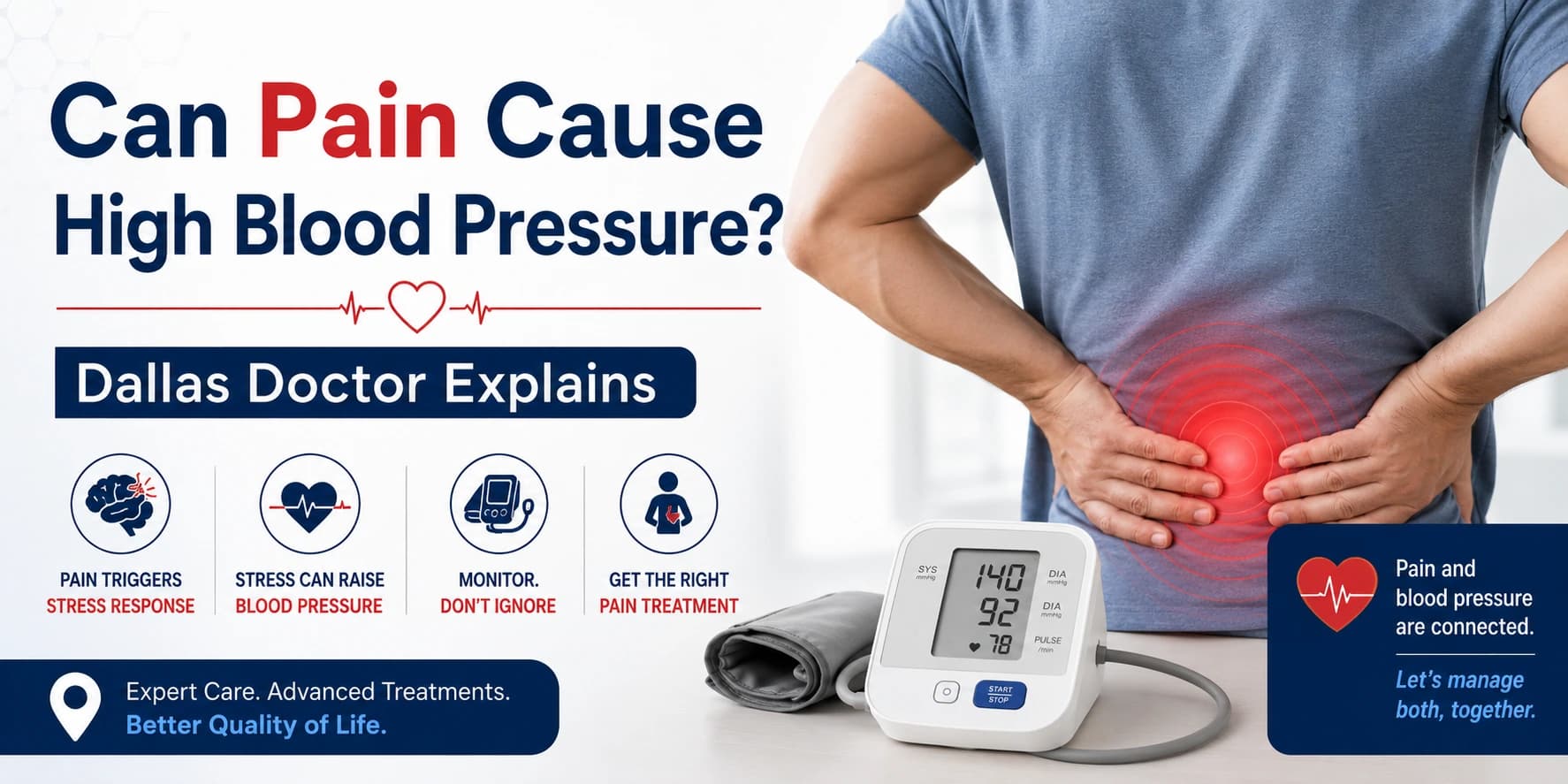
A painful flare can make the body react as if an alarm has switched on: the pulse quickens, muscles tighten, and a blood-pressure reading that is usually stable may climb. So, can pain cause high blood pressure? Pain can raise blood pressure for a short time, especially when it is sudden or severe. Chronic pain is also associated with a greater chance of developing hypertension, but pain is not the only possible cause. Repeated high readings still need evaluation by a primary-care clinician. Yes. Acute pain can activate the sympathetic nervous system, often called the “fight-or-flight” response. This can increase heart rate, narrow blood vessels, and temporarily raise blood pressure. The reading may fall as the pain and stress response settle. However, a high reading should not automatically be blamed on pain, particularly when it remains high between flares. Under current American Heart Association guidance: Normal blood pressure is below 120/80 mm Hg. Elevated blood pressure is 120–129 mm Hg with a diastolic number below 80. Stage 1 hypertension is 130–139 mm Hg systolic or 80–89 mm Hg diastolic. Stage 2 hypertension is 140 mm Hg systolic or 90 mm Hg diastolic and higher. A single high reading during intense pain does not necessarily mean that a person has hypertension. The number should be interpreted alongside repeat readings, symptoms, medical history, medications, and the circumstances in which it was taken. Pain is both a sensory experience and a stress signal. When the brain recognizes a painful stimulus, the body may release stress hormones and increase sympathetic nervous system activity. The heart may beat faster, blood vessels may tighten, and blood pressure may rise. This temporary reaction can occur with: A sudden back spasm Severe neck pain A migraine or intense headache An injury Post-surgical discomfort An arthritis flare Dental pain Irritated or compressed nerves The size of the increase differs from person to person. Someone with mild pain may show little change, while severe pain, anxiety, poor sleep, or existing hypertension may produce a more noticeable rise. This explains why patients sometimes record high blood pressure during a pain flare, even when their usual readings are lower. Yes, severe pain can cause high blood pressure temporarily. Strong pain signals can produce a greater stress reaction, particularly when the person also feels frightened, anxious, or unable to control the discomfort. Rapid breathing, muscle tension, poor sleep, and emotional distress may add to the rise. However, severe pain and a very high blood-pressure reading should never be dismissed as “just pain.” Chest pain, sudden severe back pain, shortness of breath, numbness, weakness, vision changes, confusion, or trouble speaking can indicate a medical emergency. These symptoms require immediate assessment rather than a routine appointment with a pain specialist. The relationship between chronic pain and high blood pressure is more complicated than the short-term reaction to an injury. Persistent pain can disturb sleep, reduce physical activity, increase emotional strain, contribute to depression, and lead to frequent use of medicines that may affect blood pressure. These factors may create an ongoing burden on cardiovascular health. A 2025 study published in the American Heart Association journal Hypertension followed more than 200,000 adults. Chronic localized pain, back pain, neck or shoulder pain, headaches, hip pain, abdominal pain, and widespread pain were associated with a higher risk of developing hypertension. Widespread chronic pain showed the strongest association. Depression and inflammation explained part of the relationship. The study reported that, compared with participants without pain: Short-term pain was associated with a 10% higher hypertension risk. Chronic localized pain was associated with a 20% higher risk. Chronic back pain was associated with a 16% higher risk. Chronic neck or shoulder pain was associated with a 19% higher risk. Chronic headaches were associated with a 22% higher risk. Widespread chronic pain was associated with approximately a 75% higher risk. These findings show an association rather than direct causation. Age, weight, activity level, sleep, diet, tobacco use, family history, kidney disease, diabetes, depression, inflammation, and medication use may also contribute. The practical message is that people living with long-lasting pain should pay attention to their blood-pressure readings and report repeated high numbers to a primary-care clinician. Acute pain usually produces a temporary rise. Once the painful event and stress reaction pass, the reading may move closer to the person’s normal level.Chronic pain may be associated with longer-term hypertension risk, but a painful flare alone cannot establish a hypertension diagnosis. A helpful distinction is: Temporary pain-related increase: The blood-pressure reading is high during an intense flare but lower after rest, pain relief, or recovery. Possible persistent hypertension: Readings remain high on different days, including periods when pain is mild or absent. Blood pressure may also change because of caffeine, nicotine, recent exercise, emotional stress, a full bladder, incorrect cuff size, talking during the reading, or poor sitting position.This is why clinicians generally consider several correctly taken measurements instead of relying on one isolated result. There is no universal number.Pain does not raise every person’s systolic or diastolic pressure by the same amount. The change may depend on: Pain intensity Baseline blood pressure Age Heart and blood-vessel health Anxiety or panic Medication use Sleep quality Caffeine or nicotine Measurement technique One patient may experience a small rise during a back-pain flare, while another person with existing hypertension may record a much higher number. Rather than asking only how much can pain raise blood pressure, consider three questions: Was the measurement taken correctly? Does it remain high after quiet rest and a repeat check? Are there any new or dangerous symptoms? These questions provide more useful information than trying to assign a fixed number to the effect of pain. Yes. Severe or sudden back pain can temporarily raise blood pressure through the body’s stress response.Chronic back pain may also be associated with a higher long-term risk of hypertension. In the 2025 study, chronic back pain was linked with a 16% higher risk of developing hypertension compared with no pain. Back pain may arise from: Disc problems Spinal arthritis Muscle or ligament strain Nerve irritation Sciatica Spinal stenosis Facet-joint pain Sacroiliac joint problems A Dallas pain doctor can evaluate the likely source of back pain, while a primary-care clinician should assess repeated high blood-pressure readings. Both concerns may need attention at the same time.Pain treatment should not be used as a substitute for hypertension screening. Intense neck pain can temporarily increase blood pressure. Chronic neck or shoulder pain was also associated with a 19% higher risk of developing hypertension in the observational study. Most neck pain is related to muscles, joints, spinal discs, posture, arthritis, or irritated nerves. However, sudden neck pain accompanied by chest discomfort, severe headache, weakness, dizziness, vision changes, or difficulty speaking needs urgent medical assessment. A pain management clinic in Dallas may be appropriate for ongoing musculoskeletal, spinal, or nerve-related neck pain after urgent causes have been ruled out. Arthritis pain may raise blood pressure during a painful flare. Inflammation, reduced activity, sleep disruption, weight changes, stress, and frequent medication use may also influence long-term cardiovascular health. Arthritis can affect the knees, hips, spine, shoulders, hands, and other joints. Pain may come from osteoarthritis, joint inflammation, worn cartilage, irritated surrounding tissues, or referred pain from the spine. A pain specialist can assess the source of discomfort and discuss treatment options. Blood-pressure diagnosis and treatment should remain under the care of a primary-care clinician or cardiovascular specialist. Yes, certain pain medicines can affect blood pressure.This does not mean every patient must avoid them. Medication decisions depend on the person’s diagnosis, dose, frequency of use, kidney health, cardiovascular history, and other prescriptions. People with hypertension, kidney disease, heart disease, or a previous stroke should discuss frequent pain-medicine use with a clinician or pharmacist. Yes, ibuprofen can raise blood pressure in some people.Ibuprofen belongs to a class of medicines called nonsteroidal anti-inflammatory drugs, or NSAIDs. Other common NSAIDs include naproxen and certain prescription anti-inflammatory medicines. NSAIDs may: Cause sodium and fluid retention Affect blood flow through the kidneys Reduce the effect of certain blood-pressure medicines Increase blood pressure in some patients The American Heart Association lists ibuprofen, naproxen, systemic corticosteroids, decongestants, caffeine, and several other substances among products that may raise blood pressure. Acetaminophen is not an NSAID, but it should not automatically be described as harmless for blood pressure. A randomized trial involving people with hypertension found that regular acetaminophen use increased blood pressure during a two-week treatment period. Occasional use and scheduled daily use are different situations, so patients should ask a clinician or pharmacist before taking it regularly. Do not suddenly stop a medicine prescribed by a healthcare professional. Request a medication review instead. There is no reliable public count of Dallas residents who have both chronic pain and high blood pressure. The conditions are measured through different surveys and medical datasets. Multiplying the prevalence of chronic pain by the prevalence of hypertension would create a misleading estimate because the groups do not overlap evenly. Still, current population data show that both concerns may affect a large number of Dallas residents. The U.S. Census Bureau estimated that Dallas had 1,329,491 residents in 2025, with 23.9% of the population younger than 18. That leaves approximately 1.01 million adults. CDC data found that 20.5% of adults in large central metropolitan areas reported chronic pain, while 7.3% reported high-impact chronic pain that frequently limited life or work. Applied cautiously to the Dallas adult population, these percentages suggest: Approximately 207,000 Dallas adults may experience chronic pain. Approximately 74,000 may experience high-impact chronic pain. The CDC also reports that 48.1% of U.S. adults meet the current definition of high blood pressure or take blood-pressure medicine. Used only as broad context, that rate would represent approximately 487,000 Dallas adults. These numbers are estimates, not official Dallas diagnoses. The actual local prevalence may be higher or lower, and no dependable dataset identifies exactly how many Dallas residents have both chronic pain and hypertension. An incorrect measuring position can affect the result. For a more dependable home reading: Avoid caffeine, nicotine, and exercise for 30 minutes when possible. Empty your bladder before measuring. Sit quietly for at least five minutes. Keep your back supported. Place both feet flat on the floor. Do not cross your legs. Put the cuff against bare skin. Support the arm at heart height. Do not talk or use your phone. Repeat an unexpectedly high result after at least one minute. Record the reading, time, pain level, symptoms, and any medicine recently taken. A written log may help a clinician determine whether high blood pressure occurs mainly during intense pain or remains high at other times. A blood-pressure reading higher than 180/120 mm Hg can represent severe hypertension.Wait at least one minute and check the reading again. If the second measurement remains that high and you have chest pain, shortness of breath, sudden back pain, numbness, weakness, vision changes, trouble speaking, confusion, or another new concerning symptom, call 911. Do not drive yourself to a pain clinic during a possible hypertensive emergency. When a reading remains above 180/120 mm Hg without emergency symptoms, contact a healthcare professional promptly for instructions. Do not take an extra dose of blood-pressure or pain medicine unless a clinician has already provided a specific plan. See a primary-care clinician for: Repeated high blood-pressure readings Hypertension screening Cardiovascular-risk assessment Blood-pressure medication management Kidney, diabetes, or cholesterol evaluation A cardiologist may become involved when hypertension is difficult to control or other cardiovascular concerns are present.Consider a pain management doctor in Dallas when pain: Persists or frequently returns Radiates into an arm or leg Limits sleep, walking, work, or normal activity Has not improved with initial treatment May involve the spine, joints, or nerves A chronic pain specialist in Dallas can evaluate the likely pain generator and discuss non-surgical or interventional options when medically appropriate. Better pain control may reduce the physical stress surrounding a flare, but pain treatment does not replace hypertension care. Dr. Rao K. Ali is a dual fellowship-trained, double board-certified pain physician with more than 15 years of clinical experience. He evaluates spine, nerve, joint, and musculoskeletal pain, including back pain, neck pain, sciatica, arthritis-related discomfort, and painful injuries. People searching for the “best pain doctor near me in Dallas” should examine verifiable qualifications instead of relying only on advertisements or rankings. Important factors include: Board certification Fellowship training Experience treating the specific condition A diagnosis-first approach Clear communication Access to non-surgical treatment options Appropriate follow-up care Dr. Rao K. Ali begins by reviewing symptoms, medical history, previous imaging, treatments, medications, and physical findings. The goal is to identify the likely pain source before recommending care. Depending on the diagnosis, treatment may include medication review, image-guided injections, nerve blocks, radiofrequency ablation, spinal cord stimulation, or other minimally invasive procedures. Dr. Ali does not replace a primary-care clinician or cardiologist for hypertension. His role is to evaluate and treat the pain condition while encouraging appropriate medical follow-up for repeated high blood-pressure readings. To speak with a pain management doctor Dallas patients can visit for persistent back, neck, nerve, or joint pain, call 469-562-4188. Yes. Pain can temporarily raise blood pressure in someone whose usual readings are healthy. Recheck the number after quiet rest, but seek immediate help for a very high reading accompanied by concerning symptoms. Chronic pain is associated with a higher risk of hypertension, but it does not automatically cause high readings every day. Persistent high numbers need a separate medical evaluation. It can. Acute pain activates the body’s stress response, which may increase heart rate and tighten blood vessels. The reading may decrease as the painful episode settles. A severe back spasm, injury, or nerve-pain flare can cause a temporary rise. Sudden severe back pain with chest symptoms, weakness, numbness, vision changes, or shortness of breath may be an emergency. Intense neck pain can temporarily increase blood pressure. Chronic neck and shoulder pain are also associated with a higher chance of later hypertension, although research does not prove that neck pain directly causes it. Arthritis pain may raise blood pressure during a flare. Reduced activity, poor sleep, inflammation, stress, and frequent NSAID use may also contribute to overall cardiovascular risk. Yes. Ibuprofen can raise blood pressure in some people, particularly with frequent use or among patients with hypertension, kidney disease, or heart disease. It may fall when the increase was mainly caused by a short-term pain response. If readings remain high after the pain improves or on different days, arrange a hypertension evaluation. Pain and high blood pressure can occur together, but one should not be used to explain away the other. Pain may temporarily raise a reading, while chronic pain is associated with longer-term hypertension risk. Repeated high numbers still deserve medical follow-up. For persistent back, neck, joint, nerve, or arthritis pain, Dr. Rao K. Ali provides chronic pain treatment in Dallas at: 11411 E Northwest Highway, Suite 220 Call 469-562-4188 to request an appointment.Does Pain Raise Blood Pressure?
How Pain Can Increase Blood Pressure Temporarily
Can Severe Pain Cause High Blood Pressure?
Can Chronic Pain Cause High Blood Pressure?
Does Pain Increase Blood Pressure Temporarily or Permanently?
How Much Can Pain Raise Blood Pressure?
Can Back Pain Raise Blood Pressure?
Can Neck Pain Raise Blood Pressure?
Can Arthritis Pain Raise Blood Pressure?
Can Pain Medication Raise Blood Pressure?
Can Ibuprofen Raise Blood Pressure?
What About Acetaminophen?
How Many People in Dallas May Be Affected?
How to Check Blood Pressure During a Pain Flare
When Are Pain and High Blood Pressure an Emergency?
Should You See a Pain Doctor or a Primary-Care Doctor?
Why Choose Dr. Rao K. Ali for Chronic Pain Treatment in Dallas?
Frequently Asked Questions
Can pain cause high blood pressure if I do not have hypertension?
Can chronic pain cause high blood pressure every day?
Does pain increase blood pressure temporarily?
Can back pain raise blood pressure suddenly?
Can neck pain raise blood pressure?
Can arthritis pain raise blood pressure?
Can ibuprofen raise blood pressure?
Will blood pressure fall when pain improves?
Talk With a Dallas Pain Doctor About Persistent Pain
Dallas, TX 75218